Acne · 2 min read
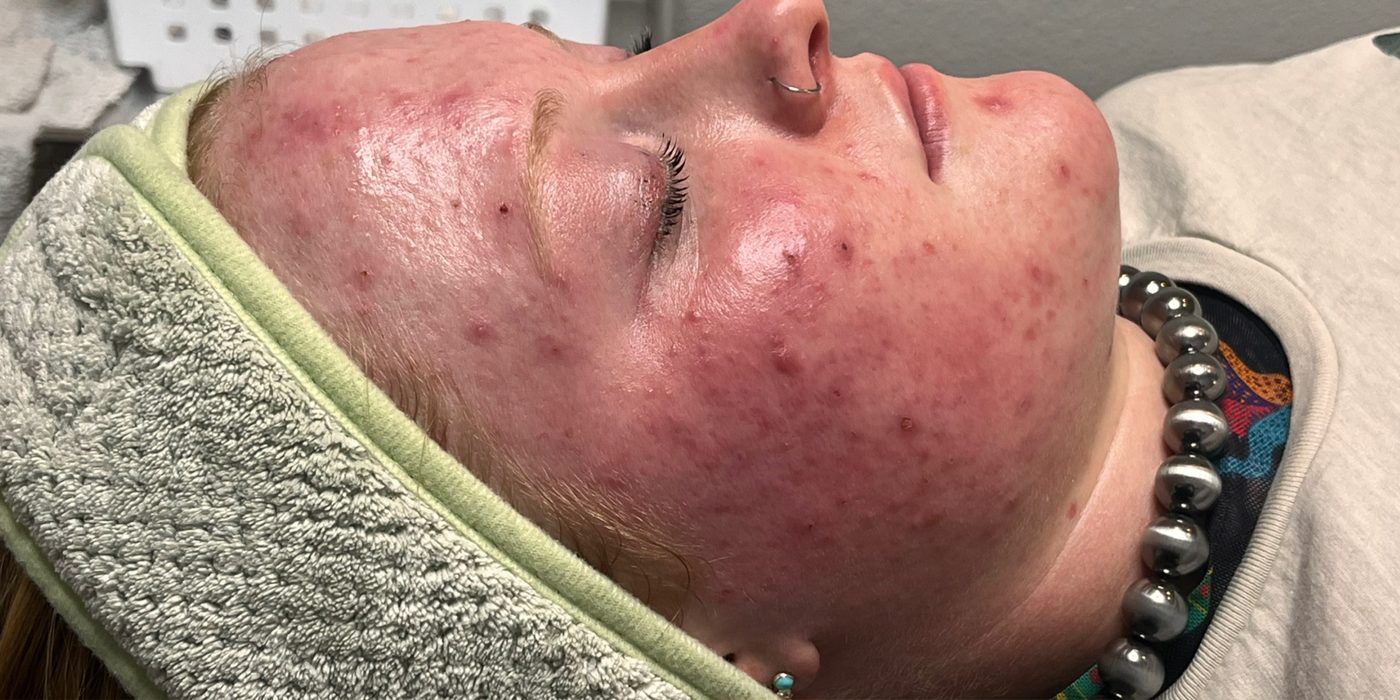
You’ve tried everything—Face Reality, benzoyl peroxide, retinol, natural routines, expensive routines… and your skin? Still inflamed, irritated, or cycling through the same breakouts month after month.
Sound familiar?
Here’s a truth that most people (and honestly, some estheticians) miss: Not all acne is actually acne.
And that misunderstanding can keep you trapped in a cycle of treatments that only make the problem worse.
What Are Acne Imposters?
Acne imposters are skin conditions that look like acne but aren’t. They may mimic breakouts, bumps, or even cystic flares—but they require an entirely different treatment strategy.
If you treat them like acne… you’ll only aggravate the skin further.
The Most Common Acne Imposters We See:
Fungal Acne (Malassezia Folliculitis)
Looks like: Tiny, itchy bumps (often on forehead, chest, or back)
Worsened by: Heavy moisturizers, overuse of oils, sweaty environments
Needs: Antifungal support, not acne topicals
Perioral Dermatitis
Looks like: Rashy, red bumps around nose, mouth, and eyes
Worsened by: Cortisone creams, whitening toothpaste, aggressive exfoliation
Needs: Barrier repair and elimination of triggers—not exfoliation or benzoyl peroxide
Rosacea (Papulopustular Type)
Looks like: Red, acne-like bumps with flushing and sensitivity
Worsened by: Heat, sun, alcohol, spicy food, some acne actives
Needs: Calm and balance—not attack and strip
Allergic or Irritant Contact Dermatitis
Looks like: Bumps, redness, rash, sometimes flaking
Worsened by: Fragrance, preservatives, or specific product ingredients
Needs: Identification + elimination of the trigger—not drying agents
Why This Matters for Your Skin
When you apply traditional acne products—like salicylic acid, retinoids, or benzoyl peroxide—to these conditions, you can worsen inflammation, disrupt your barrier, and make skin more reactive.
That’s why so many people think they’ve “tried everything”—when really, they’ve been treating the wrong thing.
Our Difference: We Identify Before We Treat
At our clinic, acne imposters aren’t a footnote—they’re a focus.
We’ve studied advanced training in:
Acne imposter identification
Corneotherapy and barrier repair science
Ingredient chemistry and interactions
The latest research in inflammatory signaling (like the Find Me pathway that triggers acne formation)
That depth of knowledge means we don’t guess. We assess, test, and observe your skin’s response before building a protocol.
You Don’t Need a New Product. You Need the Right Identification.
If you’ve been struggling with what seems like “acne” but nothing’s working, let’s take a closer look.
Your skin could be telling a very different story—and we know how to listen.