Acne · 4 min read
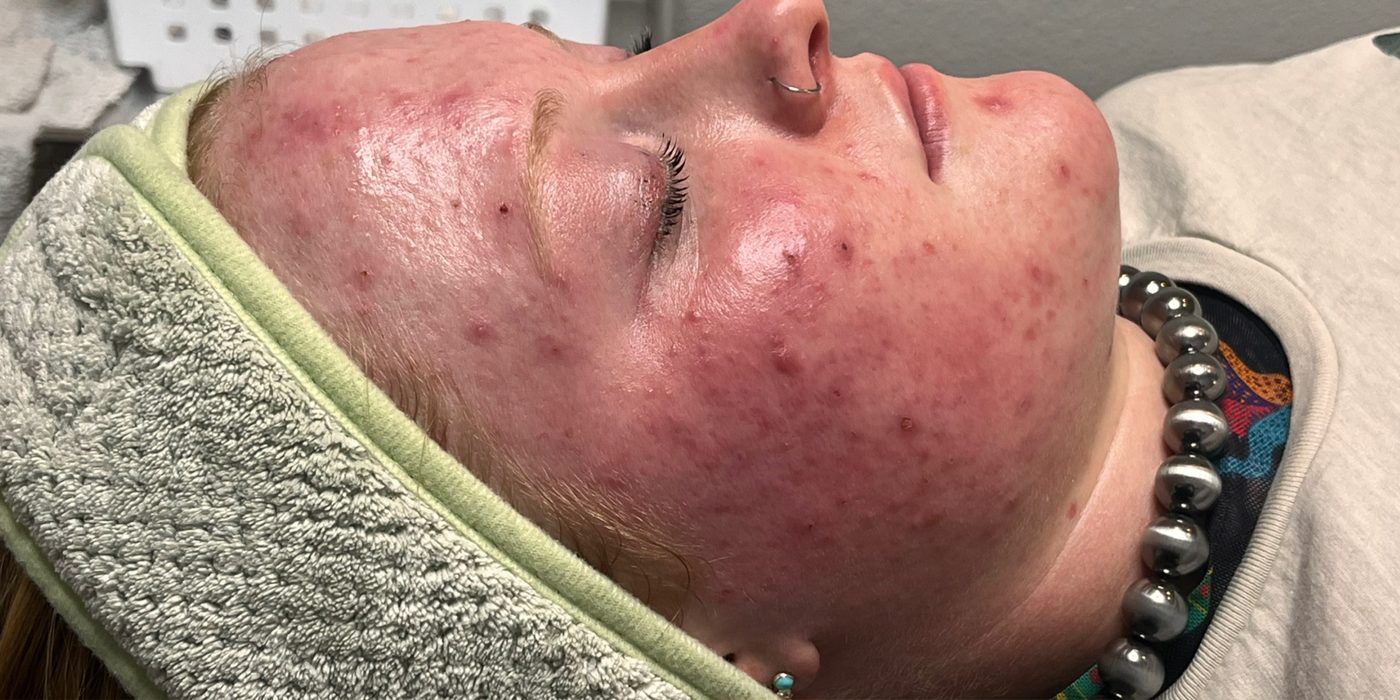
Acne is more than a rite of passage or an aesthetic inconvenience—it’s a multifactorial inflammatory skin condition that affects millions of people worldwide, from teenagers to adults well into their 40s and beyond. At our results-driven, education-based skincare practice, we believe in empowering our clients with real knowledge, clinical guidance, and treatment options that work—not trendy fixes or one-size-fits-all routines.In this post, we’re diving deep into the causes, types, myths, and treatment options for acne, and how you can work with licensed professionals to transform your skin through evidence-based care.
What is Acne, Really?
Acne vulgaris is a chronic inflammatory disorder of the pilosebaceous unit (hair follicle + sebaceous gland). It typically begins with clogged pores and can progress to more inflammatory lesions like papules, pustules, nodules, and cysts.The four key factors involved in acne formation are:
1. Excess sebum (oil) production
2. Abnormal shedding of skin cells (keratinization)
3. Proliferation of Cutibacterium acnes (formerly P. acnes)
4. Inflammation
Types of Acne Lesions
Understanding what type of acne you have is the first step in choosing the right treatment strategy:
Comedonal Acne: Blackheads (open comedones) and whiteheads (closed comedones); non-inflammatory.
Papules & Pustules: Red, inflamed bumps; may or may not contain pus.
Nodulocystic Acne: Deep, painful lesions under the skin; often resistant to over-the-counter treatments.
Hormonal Acne: Typically found along the jawline and chin; often flares cyclically with hormonal shifts.
Fungal Acne (Malassezia folliculitis): Looks similar to traditional acne but caused by yeast overgrowth, requiring antifungal—not antibacterial—treatment.
Common Myths About Acne (and Why They’re Wrong)
“Acne is caused by dirty skin.”False. Acne is not a hygiene issue. In fact, over-washing can worsen acne by disrupting the skin barrier.
“You’ll outgrow it.”Not always. Adult acne, particularly in women, is increasingly common due to hormonal fluctuations, stress, and environmental exposures.
“Diet doesn’t matter.”Emerging research suggests that high glycemic foods and dairy may exacerbate acne in some individuals.
Contributing Factors That Make Acne Worse
Acne isn’t caused by a single trigger; rather, it is influenced by a variety of internal and external factors. Understanding these can help tailor a more effective treatment plan:
Hormones: Androgens increase sebum production, often leading to flare-ups during puberty, menstruation, or pregnancy.
Stress: Elevated cortisol levels can influence oil production and inflammation.
Skincare Products: Comedogenic (pore-clogging) ingredients can worsen breakouts.
Medications: Certain drugs like corticosteroids, lithium, and some birth control pills may contribute to acne.
Environment: Pollution, humidity, and even face masks can exacerbate breakouts (aka 'maskne').
Poor Sleep and Diet: Both can impair skin repair mechanisms and hormone regulation.
Effective Acne Treatments (and Why Customization is Key)
There’s no one-size-fits-all solution when it comes to treating acne. At our practice, we believe every acne treatment plan should be tailored based on your skin type, lifestyle, acne severity, and long-term goals. Here's a look at scientifically supported options:
Topical Treatments:
Benzoyl Peroxide: Kills bacteria and reduces inflammation.
Salicylic Acid: Exfoliates inside the pore and helps prevent clogged pores.
Retinoids: Normalize skin cell turnover and reduce inflammation.
Prescription Medications:
Topical or oral antibiotics to reduce bacterial load and inflammation.
Hormonal therapy such as birth control pills or spironolactone for hormonal acne.
Isotretinoin for severe, cystic acne resistant to other treatments.
Professional Treatments:
Chemical Peels: Help with exfoliation, post-acne marks, and overall texture.
Laser and Light Therapy: Target bacteria and inflammation, reduce scars.
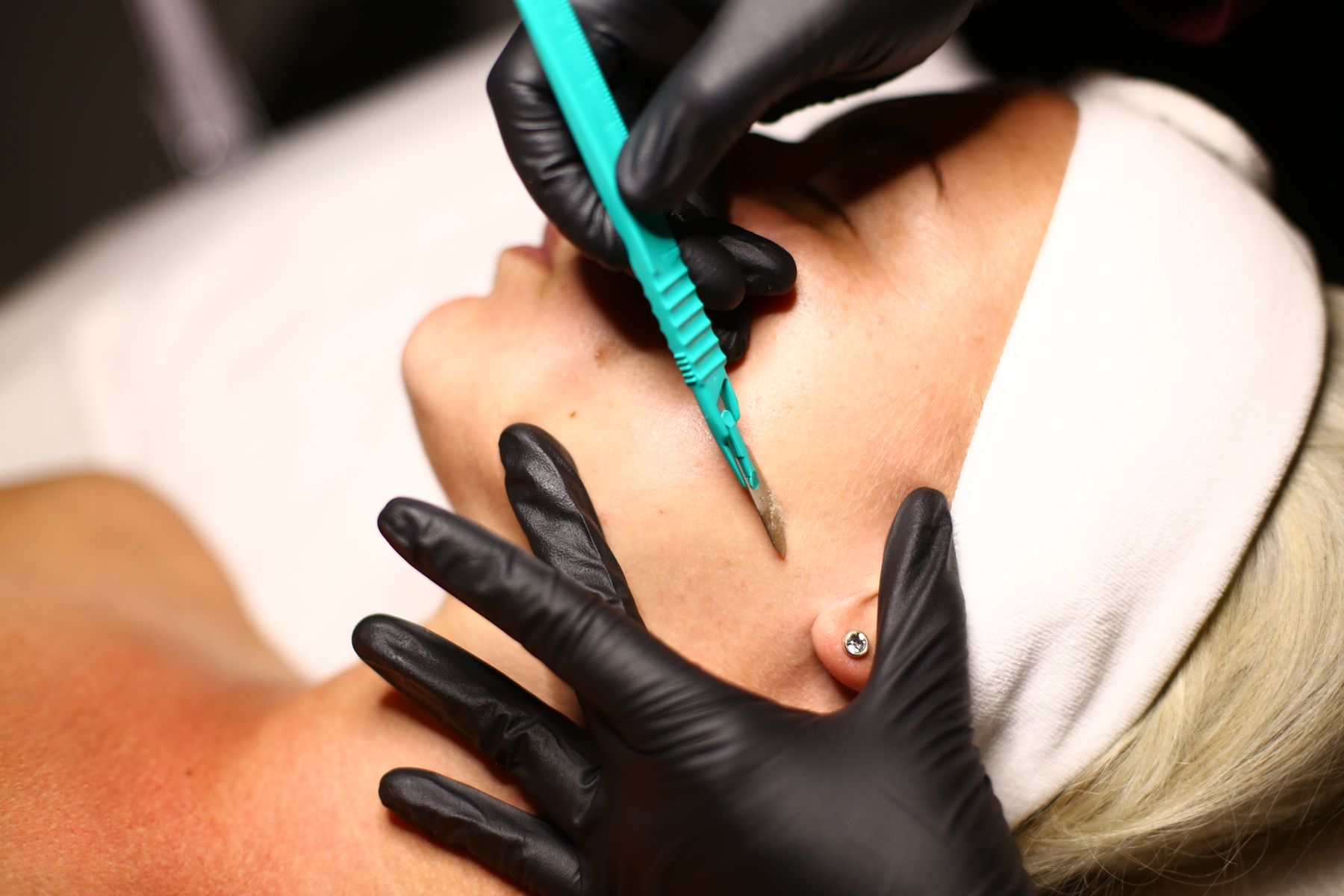
Acne Facials and Extractions: Performed by licensed professionals to clear blocked pores safely.
Microneedling: Reduces scarring and improves skin texture by promoting collagen production.
The Role of Professional Guidance
Self-treating acne without professional advice often leads to frustration, overuse of products, and worsened skin conditions. Our trained professionals begin with a comprehensive skin consultation, lifestyle assessment, and realistic goal-setting process. From there, we create a custom acne protocol using medical-grade skincare, targeted in-clinic treatments, and homecare regimens that evolve with your skin's progress.
Healing Takes Time (and Patience)
Skin healing is not linear. It’s completely normal to experience flares, purging, or plateaus on the path to clearer skin. Depending on the severity of your acne, visible improvement can take 6 to 12 weeks—or longer. Having the right guidance, evidence-based products, and consistency makes all the difference.
Your Next Step
Acne doesn’t define you—but how you respond to it can transform your skin, your confidence, and your outlook. If you're tired of the trial-and-error cycle and ready to work with a results-driven skincare team that understands your unique needs, schedule a consultation with us today. Let's rewrite your skin story together—one treatment at a time.