Treatments · 2 min read
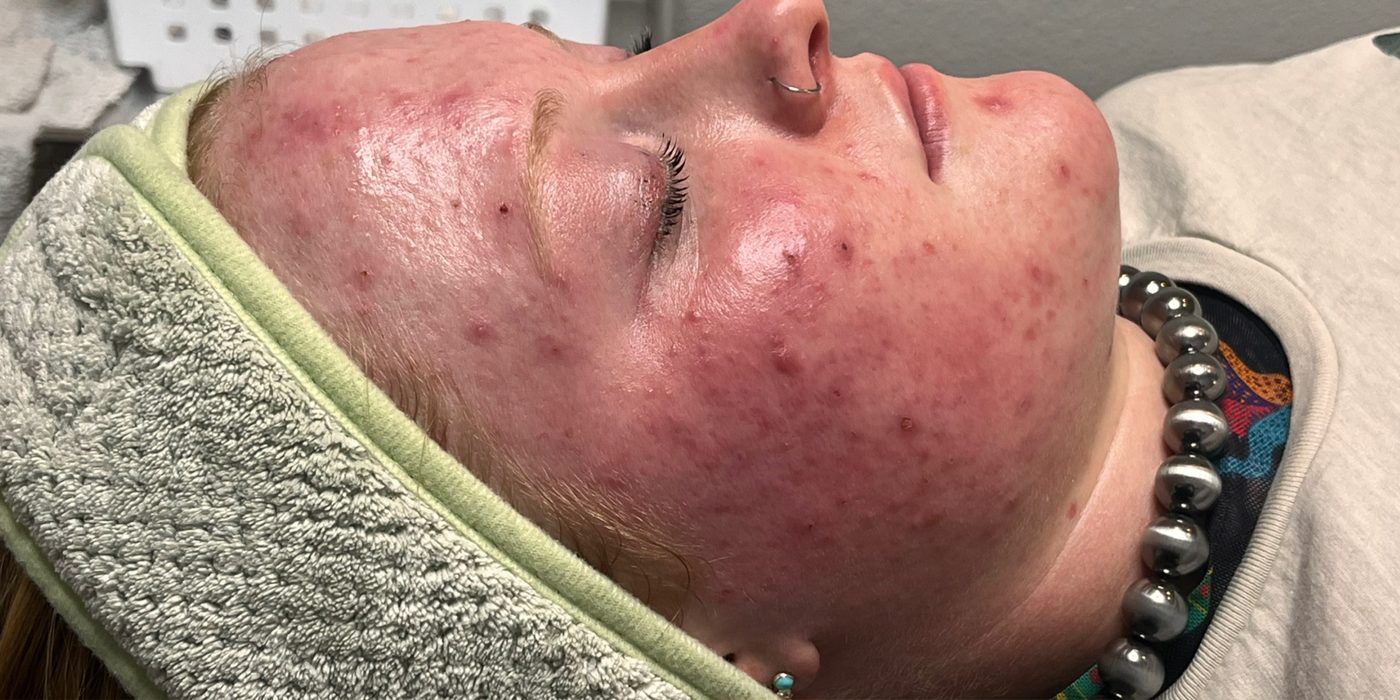
In the quest for youthful and radiant skin, two popular treatments have gained significant attention: microneedling and laser resurfacing. Both procedures aim to rejuvenate the skin, reduce the appearance of scars, fine lines, and wrinkles, and improve overall texture. However, they differ in techniques, benefits, and suitability for various skin types. Let's dive into each treatment and explore which may be the best for you.
What is Microneedling?
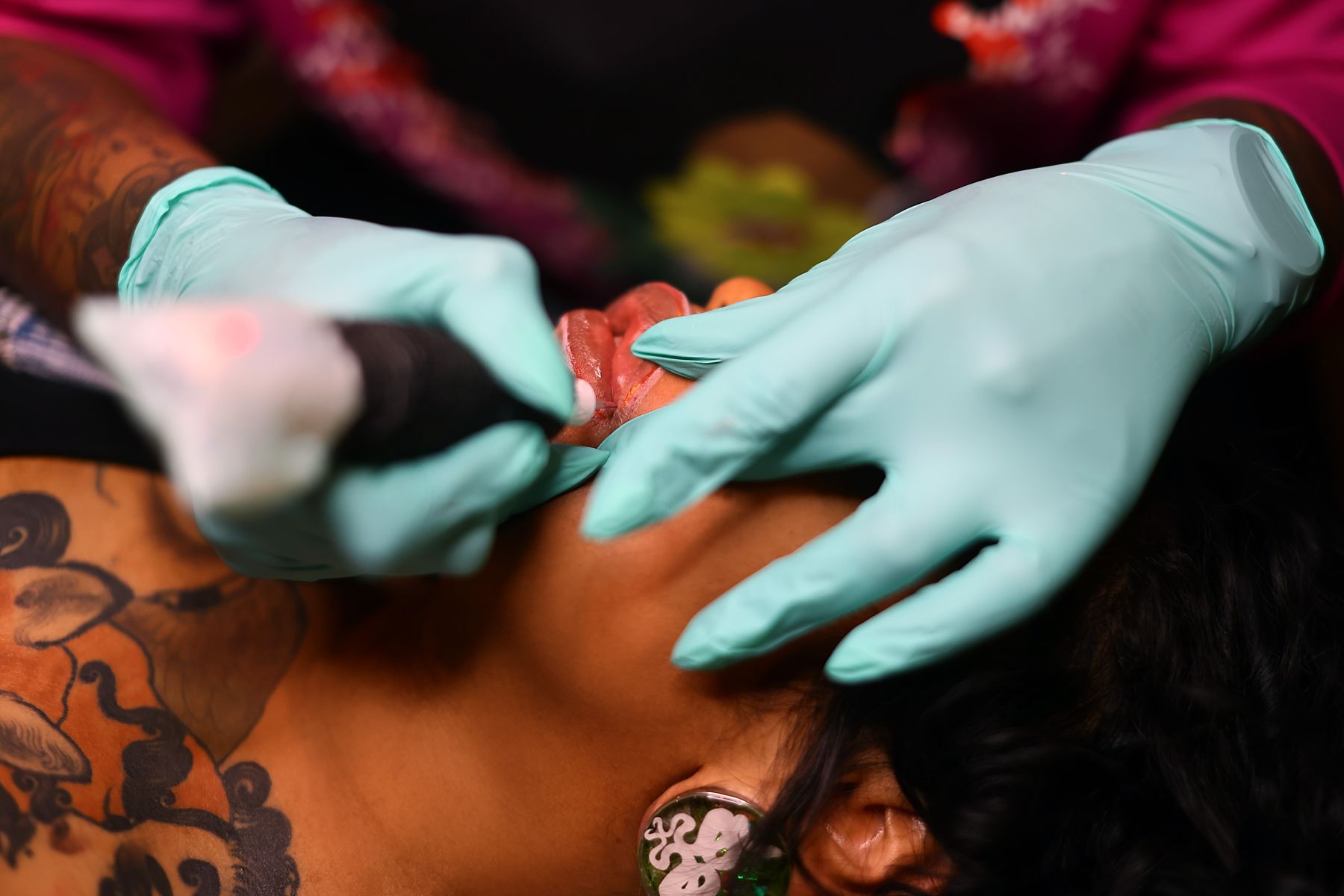
Microneedling, also known as collagen induction therapy, involves using a device equipped with fine needles to create controlled micro-injuries in the skin. This process stimulates the body's natural wound healing response, leading to increased collagen and elastin production.
Benefits of Microneedling
Minimal Downtime: Most patients experience only mild redness similar to a sunburn, which typically subsides within a few days.
Versatile Treatment: Suitable for various skin types and tones, including sensitive skin.
Improves Texture and Tone: Effective in treating acne scars, enlarged pores, and uneven skin texture.
What is Laser Resurfacing
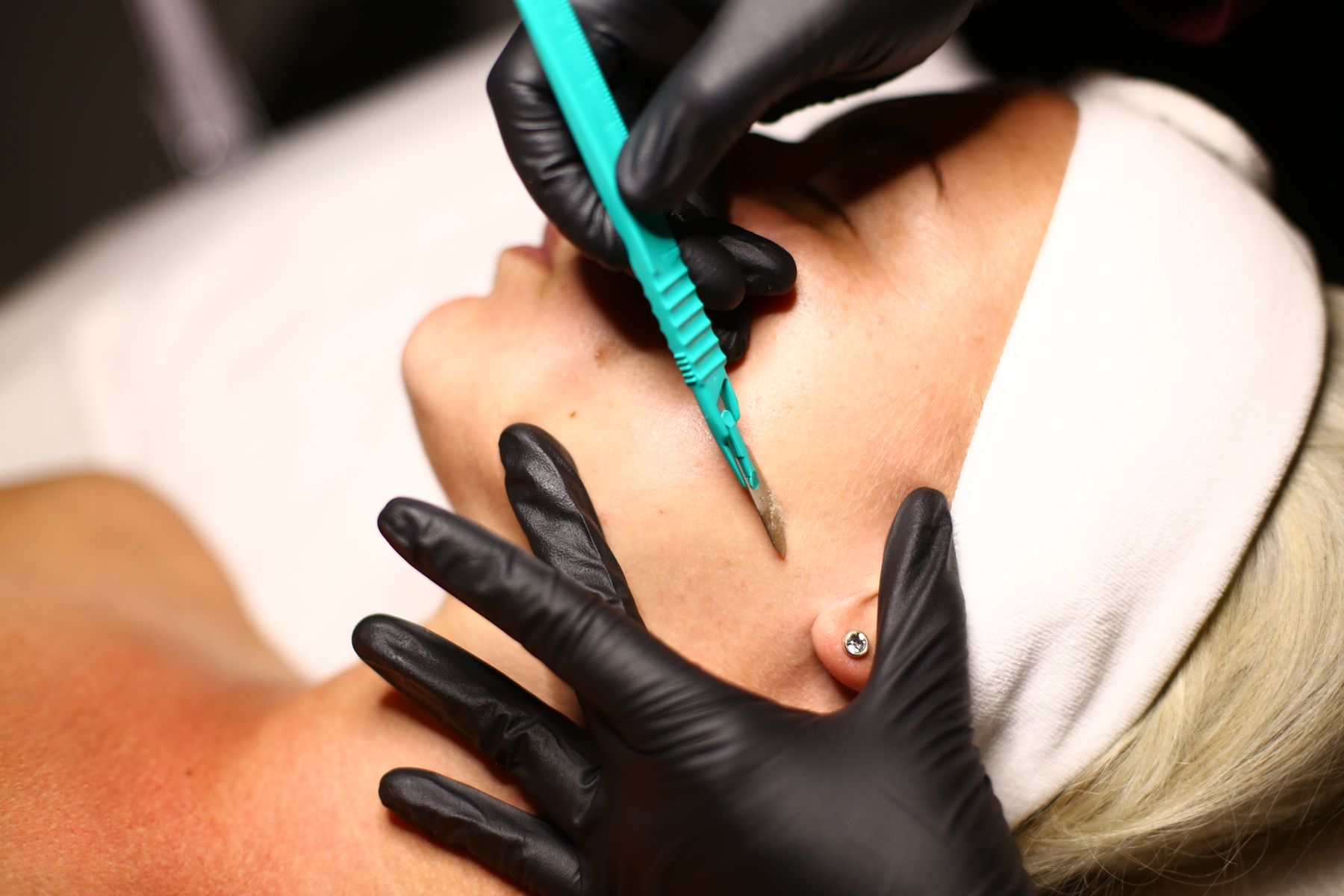
Laser resurfacing utilizes focused laser beams to remove damaged skin layer by layer. There are two main types of laser resurfacing: ablative (which removes the outer layer of skin) and non-ablative (which targets deeper layers without damaging the surface).
Benefits of Laser Resurfacing:
Dramatic Results: Can significantly improve the appearance of wrinkles, sun damage, and scars.
Tighter Skin: Stimulates collagen production, leading to firmer skin over time.
Targeted Treatment: Different laser types can be customized to address specific skin concerns.
Microneedling vs. Laser Resurfacing: Key Differences
Technique:
Microneedling creates tiny punctures to stimulate healing.
Laser resurfacing uses light energy to vaporize skin layers.
Recovery Time:
Microneedling typically has a shorter recovery period.
Laser resurfacing may require more downtime, especially with ablative lasers.
Skin Type Suitability:
Microneedling is generally safe for all skin types, including darker skin tones.
Laser resurfacing can pose risks for darker skin, particularly with certain ablative lasers, due to potential pigmentation changes.
Results:
Microneedling can take several sessions to achieve desired results.
Laser resurfacing often provides more immediate and dramatic improvements.
Which Treatment is Best for Your Skin Type?
-Oily or Acne-Prone Skin: Microneedling can be beneficial due to its ability to reduce acne scars and improve texture without aggravating oil production. However, non-ablative laser resurfacing may also be considered if scarring is extensive.
Dry or Mature Skin: Laser resurfacing can provide significant rejuvenation for fine lines and sun damage. Microneedling can also help but may require more frequent treatments to achieve comparable results.
Dark Skin Tones: Microneedling is the preferred option due to the lower risk of post-inflammatory hyperpigmentation. Non-ablative lasers can be considered, but it's essential to consult with a professional experienced in treating darker skin.
Conclusion
Both microneedling and laser resurfacing offer unique benefits for skin rejuvenation. The choice between the two largely depends on individual skin types, concerns, and desired outcomes. Consulting with a qualified dermatologist or skincare professional can help you determine the most suitable treatment tailored to your needs. Remember, the journey to healthier skin is not just about the treatment but also about maintaining a good skincare regimen post-procedure for optimal results.